Bathroom Mold Removal in Hudson, FL
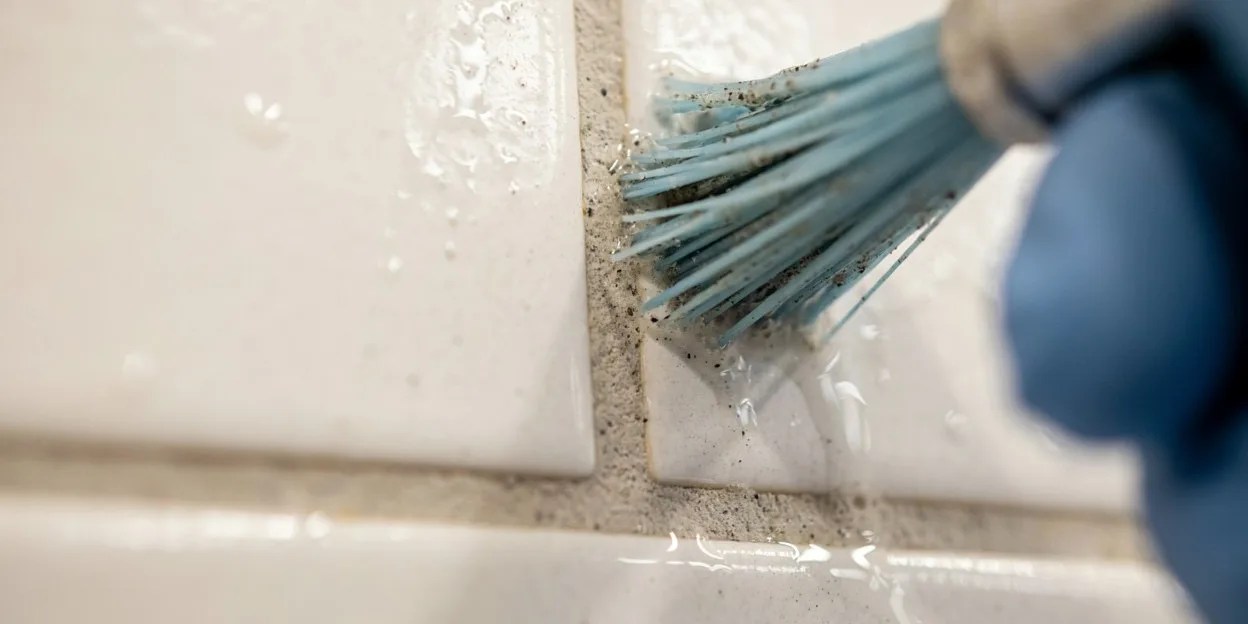
The drywall behind the vanity is soft enough to push a thumb into, the baseboard has swelled, and there is growth on the wall inside the cabinet under the sink. You have cleaned the grout a dozen times, and that was never the problem. This site connects you by phone with an independent local provider who does bathroom mold removal in Hudson and across Pasco County.
What the crew does first
The crew looks for water first. A meter on the wall behind the vanity, under the toilet, and along the tub surround tells them what is wet. Then they find why: a supply line weeping at the shutoff, a wax ring that failed, a tub drain that leaks into the slab, a shower pan with a crack, or an exhaust fan that vents into the attic so the room never dries between showers.
Then the bathroom gets sealed off. A small room like this is easy to contain, with plastic across the door, the exhaust and supply covered, and a HEPA scrubber pulling air out through the window.
What to do in the next hour
Stop using that bathroom if you can. Shut the supply valves under the sink and behind the toilet if either is damp. Run the exhaust fan and open the window. Do not spray bleach on the drywall or pull the vanity out yourself.
Look for the source. Check the shutoffs for drips, feel the floor around the toilet base, and run the shower for a minute while someone watches the ceiling below or the wall on the other side. Note what you find.
What is usually saved and what is removed
Wet drywall behind the vanity, the swollen baseboard, and any particleboard vanity base with growth on it come out. A tub surround that has gone soft behind the tile comes out, which usually means the tile too. Cement board, tile that is sound, the tub itself, block walls, and the slab stay and get cleaned.
The leak gets fixed by a plumber before anything is closed, and an exhaust fan that dumps into the attic gets ducted outside. If the leak ran long enough to reach the bedroom closet on the other side of the wall, that part is mold removal. Growth on the attic side of the bathroom ceiling is attic mold remediation. When the wall reads dry, mold damage repair puts the drywall, vanity, and trim back.
Pasco County notes: 1970s baths and hall-bath fans
The block ranches in Hudson, Bayonet Point, and Port Richey have small hall bathrooms with one window, a fan that was added later if at all, and original copper or galvanized supply lines under the vanity. Fifty years of tiny leaks at the shutoff is the most common source here. In manufactured homes the tub drain often leaks into the belly wrap, and the growth shows up in the floor rather than the wall.
Humidity is the other source. A bathroom with no working exhaust on this coast never dries between showers, and the ceiling grows a ring that comes back every time it is painted. That is a venting fix, not a paint fix.
Plumbing repair needs a permit through Pasco County or your city, and so does replacing a tub surround. Cleaning does not. Florida licenses mold assessors and remediators separately under Chapter 468, Part XVI, and a bathroom job that grows past about ten square feet falls under those rules. Many Florida policies cap mold at a fixed amount and exclude slow leaks, which describes most bathroom mold, so photograph the leak before it is fixed.
Calling about bathroom mold removal
Have the address, which bathroom, and where the growth is. Say whether you found a leak, whether the fan vents outside, and whether the wall on the other side is affected. Call (727) 353-1690.